Qualified Tire Work: Return to Driving In a Safe and Swift Manner
Professional tire services play a crucial role in assuring vehicle safety and performance. Skilled technicians perform in-depth inspections to pinpoint different tire problems. From punctures to balance issues, every problem requires careful consideration. Knowing when to contact professional guidance can prevent additional issues. As drivers deal with these obstacles, they might consider about the optimal fix options and care routines. Examining these matters can result in sound choices and more secure travels moving forward.
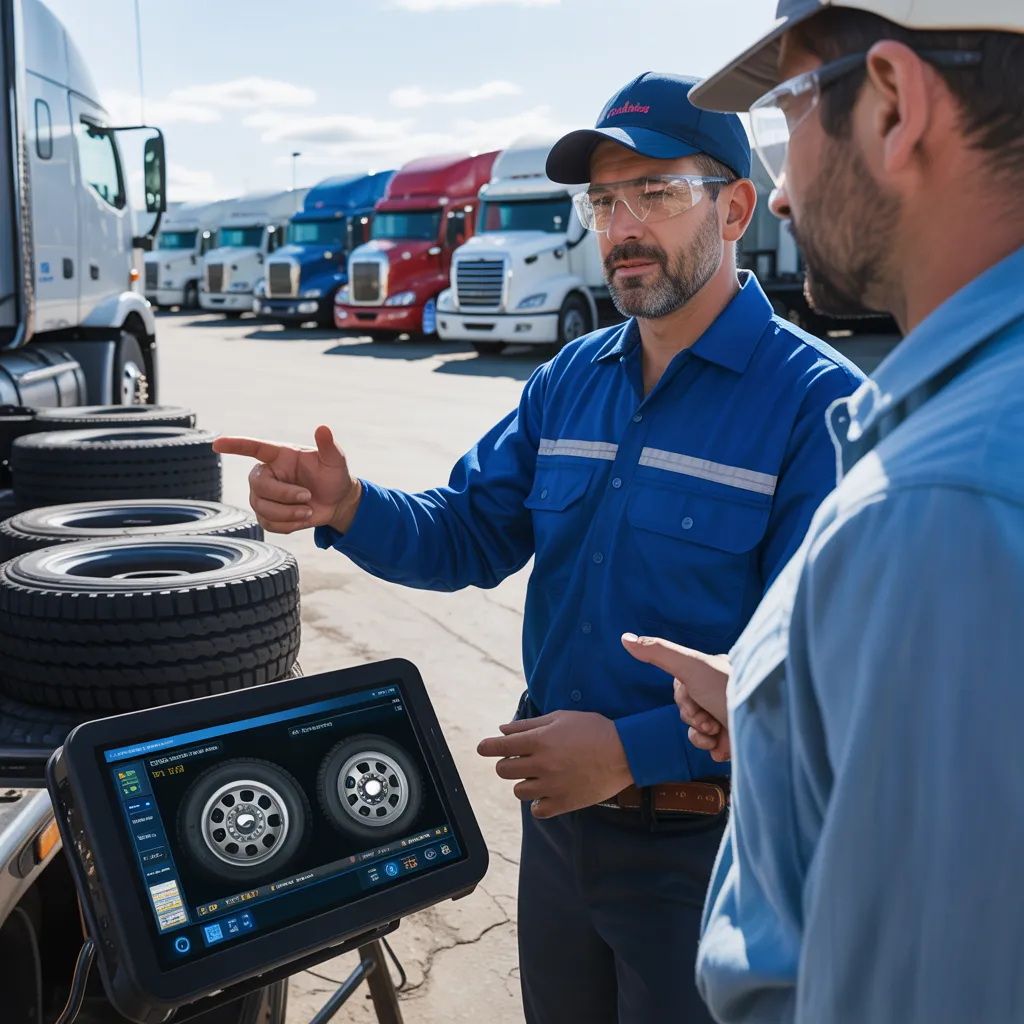
Common Tire Problems to Know
When motorists ignore their tires, they may encounter several common issues that can compromise safety and performance. One prevalent issue is underinflation, which can result in increased tire wear and reduced fuel efficiency. Over time, this can result in the tires to overheat, boosting the risk of a blowout. Another common problem is tread wear, which affects traction and handling, particularly in wet conditions. Uneven wear may indicate alignment or suspension issues, requiring further inspection. Additionally, drivers may experience punctures or sidewall damage from road hazards, leading to slow leaks or complete tire failure. Routine tire maintenance including rotations and inspections with correct inflation are vital for preventing these issues. Finally, weather-related factors can also contribute to tire degradation, making it vital for drivers to stay vigilant about their tire health. By understanding these common problems, drivers can improve their safety on the road.
How to Identify When to Get Tire Maintenance?
Identifying the symptoms that tire work are important is key for preserving vehicle safety and performance. Drivers ought to stay alert for specific indicators that suggest tire issues. Uneven wear formations on the contact surface, for example, may reveal alignment complications or inadequate air pressure. Moreover, obvious damage, like cuts, bulges, or perforations, commonly requires quick attention. A rapid loss of air pressure or constant need for inflation also indicates that repairs may be necessary.
Drivers need to stay alert to handling and performance changes, such as vibrations or pulling to one side, which could show tire imbalances or internal damage. Also, regularly checking tread depth is essential; tires with areas of wear jeopardize traction. By noticing these signs, drivers can guarantee timely repairs, supporting both safety and vehicle longevity. Dealing with these issues quickly not only stops potential accidents but also minimizes more extensive repair costs later on.
What to Anticipate During the Tire Repair Process
The tire maintenance process generally involves several important stages to guarantee safety and performance. At first, a technician inspects the tire for visible damage and assesses its entire condition. This check helps determine whether the tire can be fixed or needs replacement. After the inspection, the technician might remove the tire from the wheel to detect punctures or internal damage.
Once any issues are found, the technician sanitizes the affected section and prepares it for restoration. This may involve applying a seal or insert, depending on the type and location of the damage. After the repair is completed, the tire is reinstalled and properly inflated to the manufacturer's specifications.
Finally, a quality assessment validates that the repair meets safety standards. Throughout the process, technicians focus on communication, updating the customer of findings and advice. This organized system assures a reliable repair, allowing vehicle operators to go back to the road with peace of mind.
Do-It-Yourself Tire Service versus Professional Support
Once learning the tire restoration procedure, many drivers may assess whether to manage fixes independently or obtain professional support. DIY tire repairs can be attractive, especially for those with elementary technical expertise and tools. Simple punctures can often be fixed using mending kits available at auto supply stores, saving both time and money. However, this method carries dangers if proper procedures are not utilized, potentially resulting in further deterioration or protection hazards.
On the flip side, professional tire repair services supply knowledge and cutting-edge equipment. Skilled technicians can properly evaluate tire deterioration, making sure repairs are dependable and safe. They can also spot underlying problems that a do-it-yourself method might fail to notice. In the end, the choice between do-it-yourself repairs and expert help is based on the driver's confidence, expertise, and the extent of the tire damage. Formulating a knowledgeable decision is vital for keeping yourself safe on the road.
Tips for Locating the Ideal Tire Repair Service
What can motorists do to guarantee they choose the best tire repair option? First, they should research community options, focusing on customer reviews and ratings. This information supplies knowledge into the service quality and reliability of various shops. Next, checking for licenses and affiliations with recognized automotive organizations can show professionalism and expertise.
Additionally, drivers should inquire about the kinds of repair services offered, verifying the establishment can manage their specific tire issues. Clear pricing practices is also crucial; trustworthy facilities offer transparent quotations without hidden fees.
Moreover, examining the shop's repair guarantees on work performed can give peace of mind. Finally, convenience is crucial—closeness to your home or workplace, as well as operating hours, can determine the decision. By reviewing these factors, motorists can confidently pick a tire repair service that satisfies their needs effectively.
Benefits of Consistent Tire Service
Regular tire upkeep offers many advantages that prolong find here the lifespan and performance of tires. By regularly inspecting tire air pressure, tread depth, and general state, vehicle owners can guarantee ideal traction and handling. Correct air pressure decreases deterioration, enhancing fuel efficiency and reducing costs at the pump. In addition, regular inspections can help detect problems such as uneven wear or damage, allowing for prompt fixes that prevent greater issues down the road.
Maintaining tires also increases safety by decreasing the chance of tire failures or accidents due to damaged tread. Also, a well-kept set of tires results in a smoother ride, improving comfort for both the driver and passengers. Through investing effort in regular tire care, individuals are able to maximize their investment’s value, securing dependable performance and peace of mind while driving. To sum up, regular tire maintenance is a key factor in responsible vehicle ownership.
Tips for Preventing Future Tire Problems
Taking a proactive method to tire maintenance can greatly minimize the probability of potential problems. Regularly monitoring tire pressure is vital; underinflation can result in premature wear and reduced fuel efficiency. It is advisable to inspect tires for noticeable damage, such as cuts or bulges, which may indicate structural defects. Switching tires every 5,000 to 8,000 miles helps assure consistent wear, boosting their lifespan.
Additionally, keeping correct alignment and balance is important to avoid uneven tread wear. Drivers should also check tread depth, using the penny test as a basic method; if Lincoln's head is visible, it's time for a new tire. Finally, preventing excessive loading of the vehicle can reduce excessive strain on tires. By implementing these strategies, vehicle owners can improve tire lifespan and support a safer driving experience.

Frequently Asked Questions
How long does a standard tire repair require?
A typical tire service usually requires 30 minutes up to an hour based on the extent of damage and the particular repair needed. Variables like technician presence and shop busyness can also modify the duration.
Is Every Wheel Kind Capable of Being Restored?
Certain tire types cannot be repaired. Most commonly, punctures within the tread area in passenger tires might be fixable, though damage along the sidewall, severe wear, or tires featuring several repairs typically necessitate replacement to guarantee safety.
What Sum Should You Anticipate to Spend for Tire Repairs?
Tire repairs costs ordinarily sit between $10 to $30, reliant upon the degree of damage and location. Aspects such as tire classification and the repair shop may shape the final price, making it changeable.
Does Insurance Cover Tire Repair?
Repair coverage for tires differs based on your insurance plan. Certain policies provide emergency roadside support or repair costs, whereas others may exclude this coverage. It's vital for individuals to review their particular policy details to identify what protection applies to tire repairs.
How Can I Extend My Tire's Life?
To increase a tire's lifespan, regular maintenance is paramount. This consists of preserving optimal tire pressure, executing regular rotations, verifying wheel alignment, limiting excess cargo, and tracking tread condition for indications of wear and damage.